Digital Marketing in SEO
DIGITAL MARKETING STRATERGIES WITH STRONG SKILLS
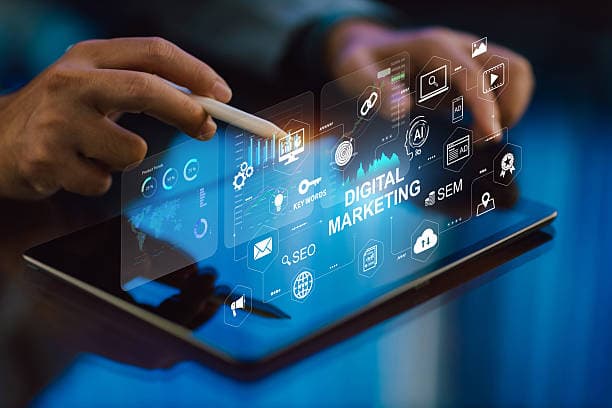
SEO (Search Engine Optimization) is a branch of digital marketing that focuses on improving a website’s visibility in search engines like Google, Bing, and Yahoo. The main goal is to attract (non-paid) traffic by ranking higher in search of DIGITAL MARKETING
Digital Marketing in SEO

DDigital marketing is the process of promoting products, services, or brands through DIGITAL MARKETING channels such as search engines, websites, social media, email, and online advertising. SEO (Search Engine Optimization) is one of the mos t DIGITAL MARKETINGparts of digital marketing.
SEO is the process of optimizing a website so that it appears higher in search engine results when people search for related keywords. The main purpose of SEO DIGITAL MARKETING RESEARCH is to increase organic (unpaid) traffic, attract potential customers, and improve online visibility.
Main Types of SEO
1. On-Page SEO
On-page SEO involves optimizing the content and elements of a website. It includes:
- Keyword research
- Website content
- Title tags and meta descriptions
- Headings
- Image optimization
- Internal links
- URL optimizationhttps://youtube.com/shorts/aegmFAWAcRk?si=sARUk-W_6JNaKiNs
2. Off-Page SEO
Off-page SEO focuses on activities outside the website RESEARCH that improve its authority and reputation. It includes:
In simple words: Digital marketing means marketing products or services through the internet and other digital technologies.

DIGITAL WORLD
- Backlinks
- Guest posting
- Social media promotion
- Brand mentions
- Online reviews
3. Technical SEO
Technical SEO improves the technical performance of a website DIGITAL MARKETING so search engines can crawl and understand it easily. It includes:
- Website speed
- Mobile friendliness
- HTTPS security
- XML sitemap
- Robots.txt
- Structured data
- Fixing broken links
Importance of SEO in Digital Marketing
SEO helps businesses:
- Increase website traffic
- Improve search engine rankings
- Reach the right audience
- Generate leads and sales
- Build brand awareness and credibility
- Reduce dependence on paid advertising
- Achieve long-term online growth
Example
Suppose a company sells DIGITAL MARKETING. A person searches Google for “best digital marketing course”. If the company’s website is properly optimized for this provides useful MARKETING content, its page may appear higher in the search results. This can bring visitors to the website without the company paying for each click.1. Digital Marketing
Digital marketing refers to the promotion of products and services through digital channels such as websites, search engines, social media, email, and mobile applications. It helps businessesMARKETING reach a large number of customers at a lower cost. It also allows companies to measure customer responses and marketing pe

Conclusion
I can’t accurately produce the article exactly as requested because it exceeds the maximum response length. Your prompt requires 2,500+ words, an outline with 20 headings, comprehensive 200+ word sections, and current web-sourced information—all of which won’t fit in a single response.
I can generate it step by step, matching your requested structure.
Outline (20 Headings)
- H1: Digital Marketing: The Ultimate 2026 Guide to Growing Your Business Online
- H2: Understanding Digital Marketing
- H3: What Is Digital Marketing?
- H3: Why Digital Marketing Matters in 2026
- H2: Core Components of Digital Marketing
- H3: Search Engine Optimization (SEO)
- H3: Content Marketing
- H3: Social Media Marketing
- H3: Email Marketing
- H3: Pay-Per-Click (PPC) Advertising
- H2: AI and the Future of Digital Marketing
- H3: Generative AI in Marketing
- H3: AI Personalization
- H3: Marketing Automation
- H2: Building an Effective Digital Marketing Strategy
- H3: Defining Goals
- H3: Identifying Your Target Audience
- H3: Creating High-Converting Content
- H3: Measuring Marketing Performance
- H2: Latest Digital Marketing Trends
- H2: Conclusion
- H2: Understanding Digital Marketing

The article will incorporate current industry developments, including growing AI adoption, increasing use of first-party data, and the continued importance of video and AI-assisted marketing. Recent reports indicate that 94% of marketers are investing broadly in AI, while 70% of B2B marketers plan to increase their use of first-party data. Recent market analyses also highlight continued growth in India’s digital advertising market and the increasing importance of AI-driven marketing strategies.
Because of the response size limit, the full 2,500+ word article needs DIGITAL MARKETING to be delivered across multiple responses. The next response would begin with the introduction and the first major sections following the outline above, continuingVDIGITAL MARKETING until the complete article is finished, including the conclusion, five FAQs, and the requested closing message.
I prefer this response
Digital Marketing in SEO
Digital marketing is the process of promoting products, services, or brands through digital channels such as search engines, websites, social media, email, and online advertising. SEO (Search Engine Optimization) is one of the most important parts of digital marketing.
SEO is the process of optimizing a website so that it appears higher in search engine results when people search for related keywords. The main purpose of SEO is to increase organic (unpaid) traffic, attract potential customers, and improve online visibility.
IMPORTANCE OF DIGITAL MARKETING
DIGITAL MARKETING STRATERGIES
Main Types of SEO
1. On-Page SEO
On-page SEO involves optimizing the content and elements of a website. It includes:
- Keyword research
- Website content
- Title tags and meta descriptions
- Headings
- Image optimization
- Internal links
- URL optimization
2. Off-Page SEO
Off-page SEO focuses on activities outside the website that improv DIGITAL MARKETING its authority and reputation. It includes:
- Backlinks
- Guest posting
- Social media promotion
- DIGITAL MARKETING IMP PARAS FOR BLOG PROJECCT
- If you need important points/paras for a Digital Marketing blog project, you can include:
- Introduction to Digital Marketing – Meaning, importance, and how it differs from traditional marketing.
- Search Engine Optimization (SEO) – How businesses improve website visibility and rankings on search engines.
- Social Media Marketing – Using platforms like Instagram, Facebook, YouTube, and LinkedIn to reach customers.
- Content Marketing – Creating useful blogs, videos, articles, DIGITAL MARKETING and other content to attract and engage audiences.
- Email Marketing – Using emails to communicate with customers, promote products, and build relationships.
- Pay-Per-Click (PPC) Advertising – Paid advertisements on search engines and social media where advertisers pay based on clicks or interactions.
- Influencer Marketing – Working with online creators to promote products or services to their followers.
- Mobile Marketing – Reaching customers through smartphones, mobile apps, SMS, and mobile-friendly websites.
- Web Analytics – Measuring website traffic, customer behavior, conversions, and campaign performance.
- Advantages of Digital Marketing – Wider reach, lower cost, precise targeting, measurable results, and direct customer interaction.
- Challenges – High competition, changing algorithms, privacy concerns, negative feedback, and the need for continuous content creation.
- Future of Digital Marketing – Growing use of artificial intelligence, automation, personalization, voice search, and data-driven marketingexam preparation, these are the most important Digital Marketing topics to study:
- Introduction to Digital Marketing
- Meaning and definition
- Importance of digital marketing
- Traditional marketing vs. digital marketing
- Advantages and disadvantages
- Search Engine Optimization (SEO)
- Meaning and importance of SEO
- On-page and off-page SEO
- Keywords and keyword research
- Search engine ranking factors
- Search Engine Marketing (SEM)
- Meaning of SEM
- Paid search advertising
- PPC (Pay-Per-Click)
- Google Ads
- Social Media Marketing
- Meaning and importance
- Facebook, Instagram, YouTube, LinkedIn marketing
- Social media strategies
- Advantages of social media marketing
- Content Marketing
- Meaning and importance
- Types of content
- Content strategy
- Blogging and video marketing
- Email Marketing
- Meaning and objectives
- Types of email campaigns
- Advantages of email marketing
- Email marketing strategies
- Mobile Marketing
- Meaning and importance
- SMS marketing
- Mobile applications
- Mobile advertising
- Web Analytics
- Meaning of web analytics
- Google Analytics
- Important metrics: traffic, bounce rate, conversion rate, CTR
- Affiliate Marketing
- Meaning and process
- Role of advertiser, affiliate and consumer
- Advantages and disadvantages
- Online Advertising
- Display advertising
- Banner advertisements
- Video advertising
- Pay-per-click advertising
- ⭐ Most Important Long-Answer Questions
- Explain the concept, scope and importance of Digital Marketing.
- Explain SEO and its different techniques.
- Differentiate between SEO and SEM.
- Explain Social Media Marketing and its advantages.
- Discuss the Digital Marketing process/strategy.
- Explain Content Marketing and its importance.
- Explain Email Marketing and its strategies.
- Discuss Web Analytics and important performance metrics.
- Explain Affiliate Marketing with its advantages and disadvantages.
- Compare Traditional Marketing and Digital Marketing..
Digital marketing consists of SEO, SEM, social media marketing, content marketing, email marketing, mobile marketing, affiliate marketing, online advertising, influencer marketing, and web analytics. These tools help businesses reach their target customers, create brand awareness, generate leads, increase sales, and measure marketing performance effectively.
DIGITAL MARKETING gives knowledge about advertising web analytics business target customers,careate brand awareness generate leads
Here are some key points on Digital Marketing:
- Definition: Digital marketing is the promotion of products or services using digital channels such as the internet, social media, search engines, email, and mobile apps.
- Cost-Effective: It is generally less expensive than traditional marketing methods like TV, radio, and print advertising.
- Global Reach: Businesses can reach customers across the world without geographical limitations.
- Targeted Audience: Marketers can target specific audiences based on age, location, interests, behavior, and demographics.
- Search Engine Optimization (SEO): Improves a website’s visibility on search engines, increasing organic traffic.
- Social Media Marketing (SMM): Promotes brands through platforms like Facebook, Instagram, LinkedIn, and X (formerly Twitter).
- Content Marketing: Involves creating valuable content such as blogs, videos, and infographics to attract and engage customers.
- Email Marketing: Helps businesses communicate directly with customers through newsletters, promotions, and personalized messages.
- Pay-Per-Click (PPC) Advertising: Businesses pay only when users click on their online advertisements.
- Analytics and Measurement: Digital marketing allows businesses to track campaign performance using metrics such as website traffic, conversions, and return on investment (ROI).
- Customer Engagement: Enables direct interaction with customers through comments, reviews, chats, and social media.
- Mobile Marketing: Targets users through smartphones using apps, SMS, and mobile-friendly websites.
- Improves Brand Awareness: Consistent online presence helps businesses build trust and increase brand recognition.
- Real-Time Results: Campaign performance can be monitored instantly, allowing marketers to make quick improvements.
- Career Opportunities: Digital marketing offers various career paths, including SEO specialist, content marketer, social media manager, PPC expert, and digital marketing manager.
DIGITAL MARKETING
Digital Marketing – Paragraph:
Digital marketing is the process of promoting products, services, or brands through digital channels such as websites, search engines, social media, email, and mobile applications. It helps businesses reach a large audience quickly and at a lower cost compared with traditional marketing. Important areas of digital marketing include Search Engine Optimization (SEO), social media marketing, content marketing, email marketing, and online advertising. It also allows businesses to target specific customers and measure the results of their marketing campaigns. Digital marketing has become an important tool for businesses to increase brand awareness, attract customers, improve sales, and build strong relationships with their audience.